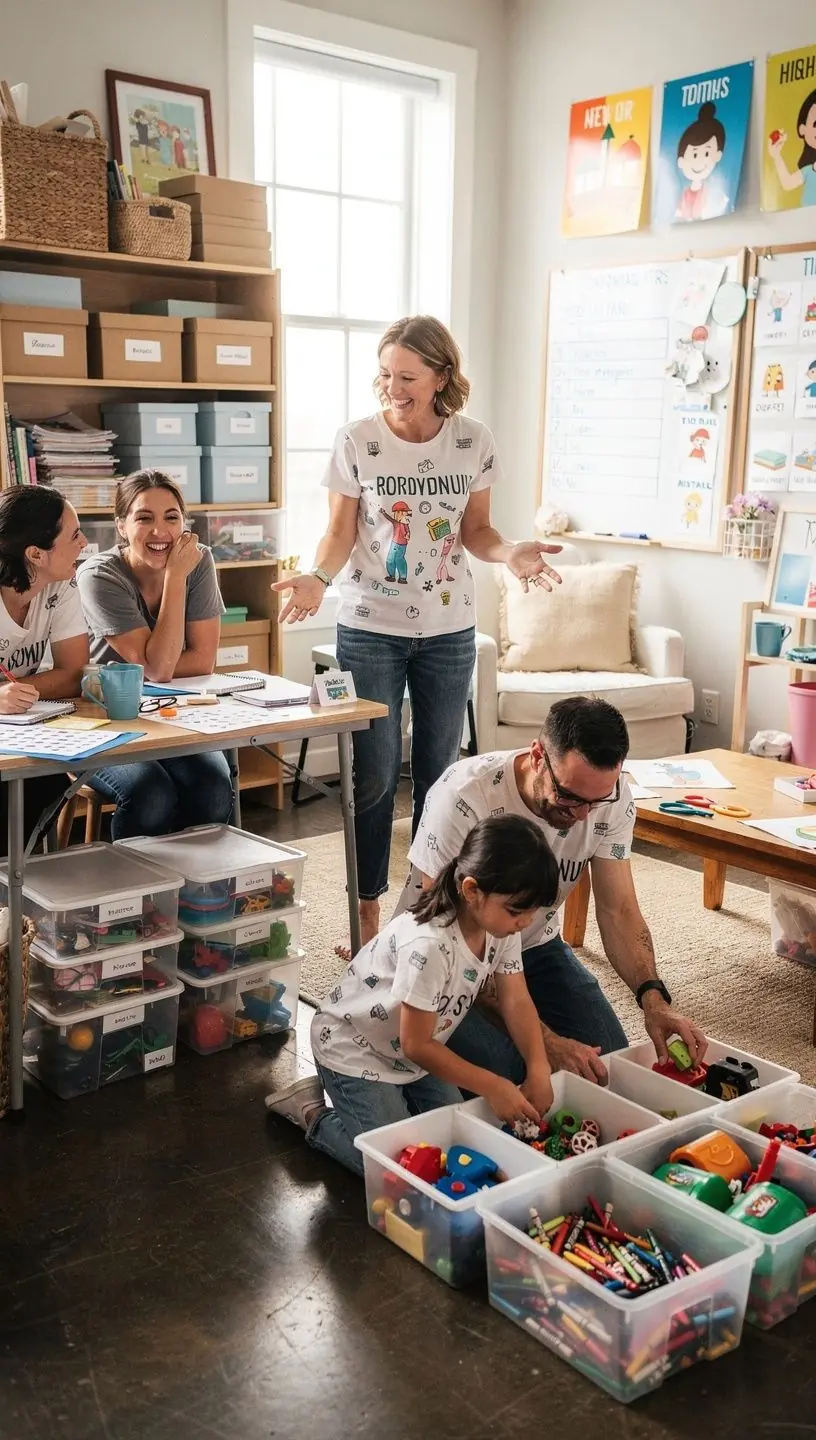
Practical Steps for Effective Offline Decluttering
In today's fast-paced world, decluttering has become essential for mental clarity and productivity. Effective decluttering, especially in offline settings, requires a structured approach that many coaching centers offer. In this article, we will explore practical steps to help you achieve a more organized and peaceful environment.
Understanding the Importance of Offline Decluttering
Decluttering is more than just organizing; it’s about creating a space that allows you to function at your best. Research shows that a decluttered environment can lead to a 20-30% increase in productivity, as it reduces distractions and enhances focus. Experts recommend that taking the time to declutter can significantly improve your overall well-being.

"A clean environment not only fosters creativity but also reduces anxiety and stress levels." - Professional Organizer
Steps for Effective Offline Decluttering
To achieve successful decluttering, consider the following structured steps:
- Set Clear Goals: Define what you want to accomplish. Whether it’s a tidy office or a minimalist living space, having clear objectives can guide your decluttering process.
- Schedule Time: Dedicate specific time slots to declutter. This process typically takes 2-4 weeks if you commit to daily or weekly sessions. Incorporating breaks can make this more manageable.
- Sort and Categorize: Use the “Four-Box Method” (Keep, Donate, Trash, and Relocate). This helps in making decisions about what to keep based on necessity and emotional value.
Implementing Decluttering Techniques
While sorting through your items, implementing practical techniques can enhance your efficiency. Here are some methods to consider:
- The 30-Day Rule: If you haven’t used an item in the last 30 days, consider letting it go. This approach often helps many users to make tough decisions about belongings.
- One In, One Out: For every new item you bring into your space, aim to remove one. This principle helps maintain balance in your environment.
- Regular Reviews: Schedule monthly check-ins to reassess your space. Keeping clutter at bay typically requires ongoing effort.
Acknowledge the Challenges
Decluttering is not a one-time event; it involves ongoing dedication. You might encounter emotional attachments that complicate the process. Understanding that some items may hold sentimental value is essential, but it’s also important to recognize when to let go.
Conclusion
Offline decluttering can significantly improve your productivity and mental health. By following these practical steps and acknowledging the challenges, you can create a more organized and peaceful environment. Remember, results typically appear within a few weeks to months, depending on your commitment and the extent of your decluttering goals. Whether you choose to pursue a structured coaching program or tackle the process independently, the key is to start with small, manageable steps.