Exploring the Benefits of Group Decluttering Sessions
In today's fast-paced world, many individuals struggle with clutter in their homes and lives. Group decluttering sessions offer a structured approach to help participants manage their spaces efficiently. This article explores the various benefits of participating in group decluttering programs and how they can foster a supportive community, enhance motivation, and lead to effective results.
Understanding the Basics of Group Decluttering
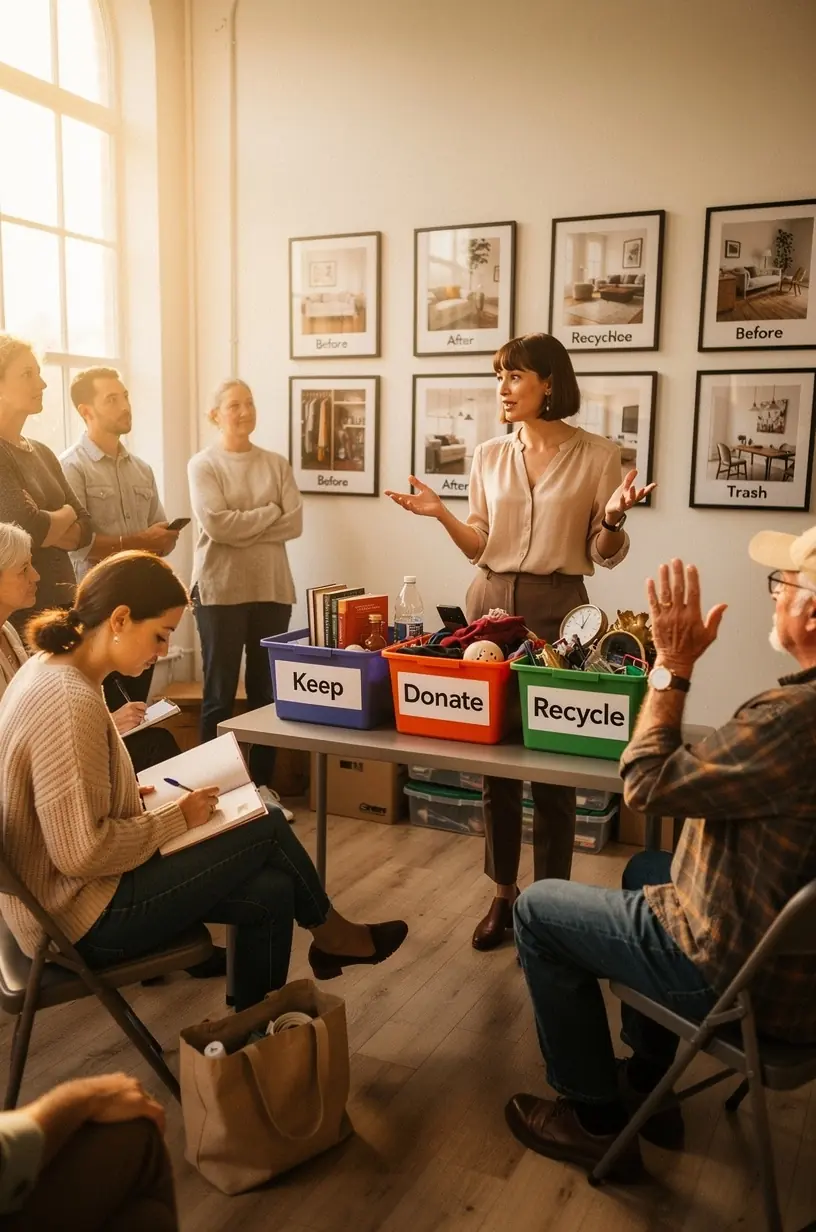
Group decluttering sessions typically involve small groups of individuals working together under the guidance of a trained decluttering coach. This approach is effective because it combines the power of collective motivation with professional support. According to a study published in the Journal of Environmental Psychology, individuals are more likely to achieve their goals when working in a group setting due to shared accountability and encouragement.
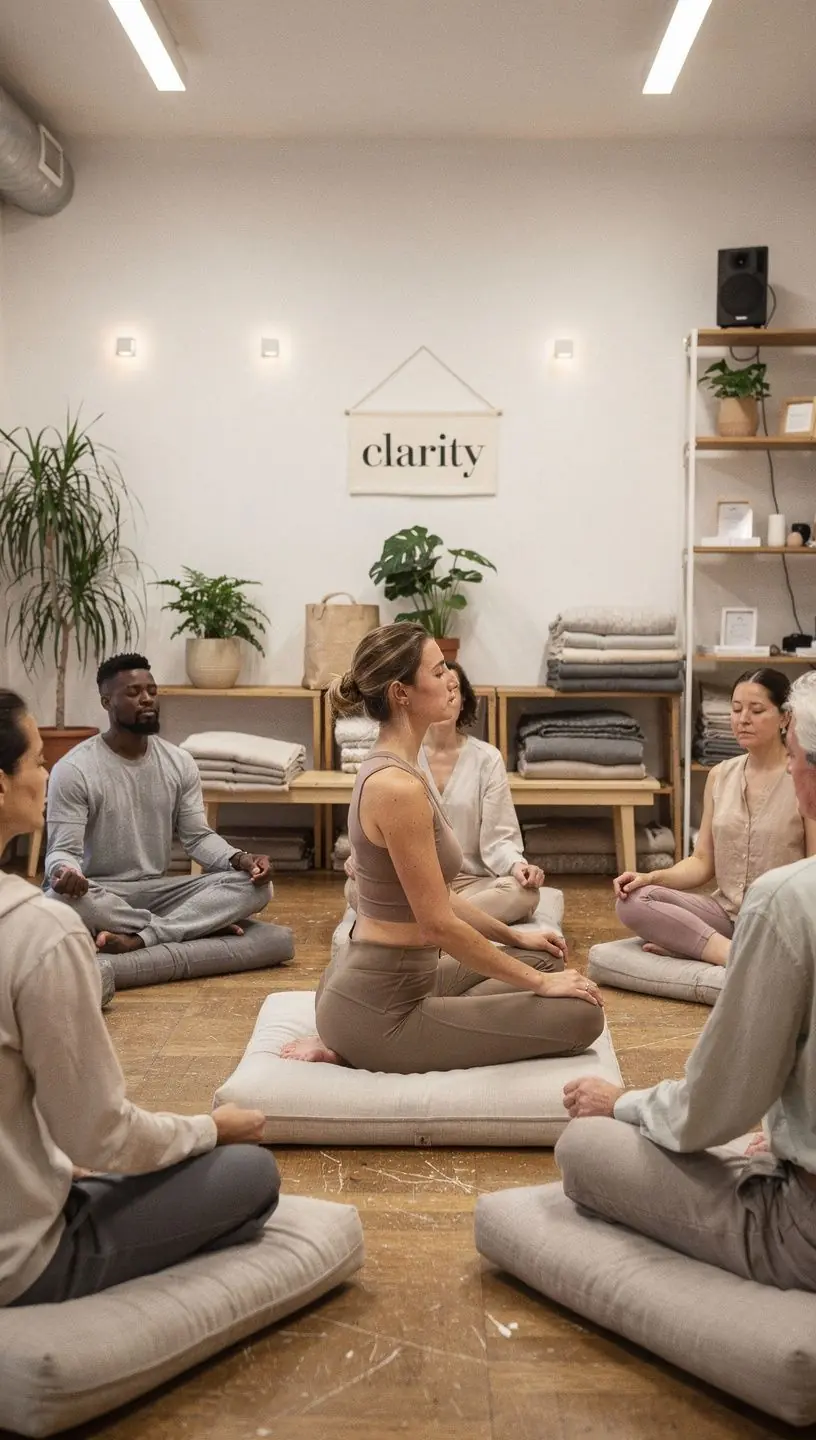
"Group settings often enhance motivation and can lead to higher success rates in achieving decluttering goals." - Decluttering Expert
Key Benefits of Group Sessions
- Community Support: Participants often report feeling less isolated when working alongside others. The shared experience creates a sense of belonging and camaraderie, which can be particularly beneficial for those who struggle with motivation.
- Resource Sharing: Group sessions provide an opportunity for participants to share tips, advice, and resources. This exchange of information can lead to new ideas and strategies that individuals may not have considered on their own.
- Structured Environment: Working with a trained coach ensures that sessions are organized and focused. This structure can be crucial, especially for newcomers who may feel overwhelmed by the prospect of decluttering their spaces.
How Group Decluttering Works
The methodology behind group decluttering sessions involves several key steps:
- Initial Assessment: Participants assess their spaces and identify specific areas of concern. This step often involves setting personal goals for what they want to achieve during the session.
- Group Collaboration: Participants share their goals and challenges with the group, fostering a supportive environment. Coaches facilitate discussions and provide tailored advice based on individual needs.
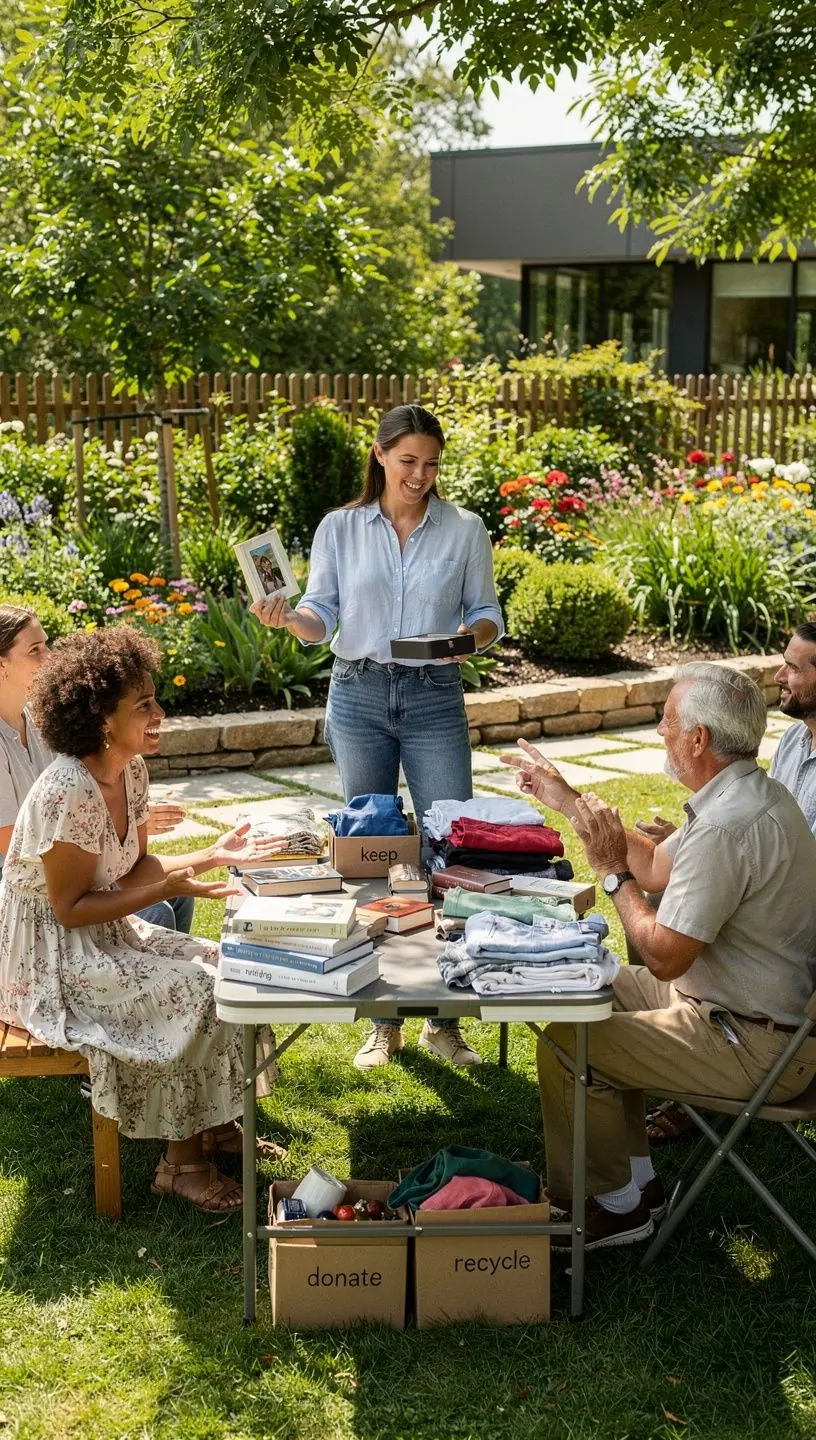
- Hands-On Decluttering: Under the coach's guidance, participants engage in hands-on decluttering activities. This may involve sorting items, making decisions about what to keep or discard, and organizing remaining possessions.
- Reflection and Planning: At the end of the session, participants reflect on their achievements and set actionable steps for continued progress. This helps maintain momentum after the session ends.
Setting Realistic Expectations
It is important to acknowledge that group decluttering sessions typically require a time commitment of several hours, sometimes spanning multiple weeks for best results. While many participants report feeling a significant sense of accomplishment after just one session, deeper transformations often take time and consistent effort. According to industry experts, establishing a clutter-free space can take anywhere from a few weeks to several months, depending on individual circumstances and the volume of items being managed.
Conclusion
Group decluttering sessions offer an effective and supportive approach to managing clutter in our lives. By harnessing the collective motivation and shared experiences of participants, these structured programs can help individuals achieve their decluttering goals more efficiently. Whether you are looking to make a small change or completely reorganize your space, consider joining a group program to benefit from the camaraderie and expertise of others. Remember, progress often takes time, but the journey can be made easier with the right support.
Learn More